










Issue and Complaint Management Software
Resolve stakeholder issues before they escalate
Resolve stakeholder issues before they escalate

What happens when stakeholder grievances go unmanaged?
What happens when stakeholder grievances go unmanaged?
Complaints fall through the cracks
Inconsistent handling across teams
Delays that lead to bigger risks
Bring order, speed, and transparency to complaint and issue management
Bring order, speed, and transparency to complaint and issue management

Centralized grievance
tracking and resolution
Centralized grievance tracking and resolution
- Log and manage all complaints in a secure grievance register
- Assign owners, set deadlines, and automate reminders
- Track every issue from intake to outcome—with full audit trail
- Allow anonymous submissions through a public-facing portal
- Provide clear, timely updates to stakeholders

Cross-department
visibility and coordination
Cross-department visibility and coordination
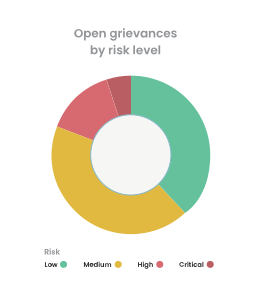
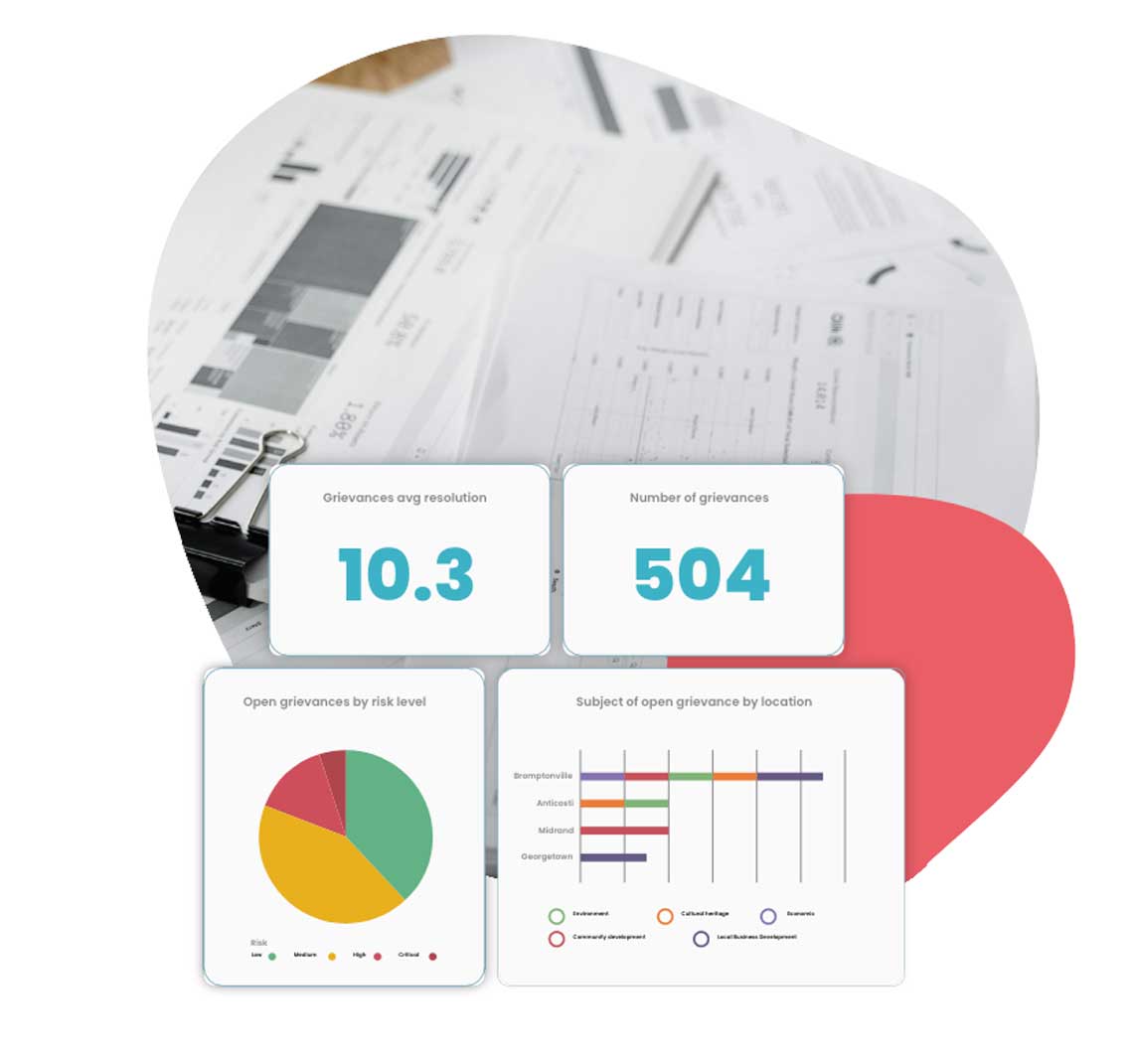
- Filter and visualize grievances by type, risk level, geography, and related assets.
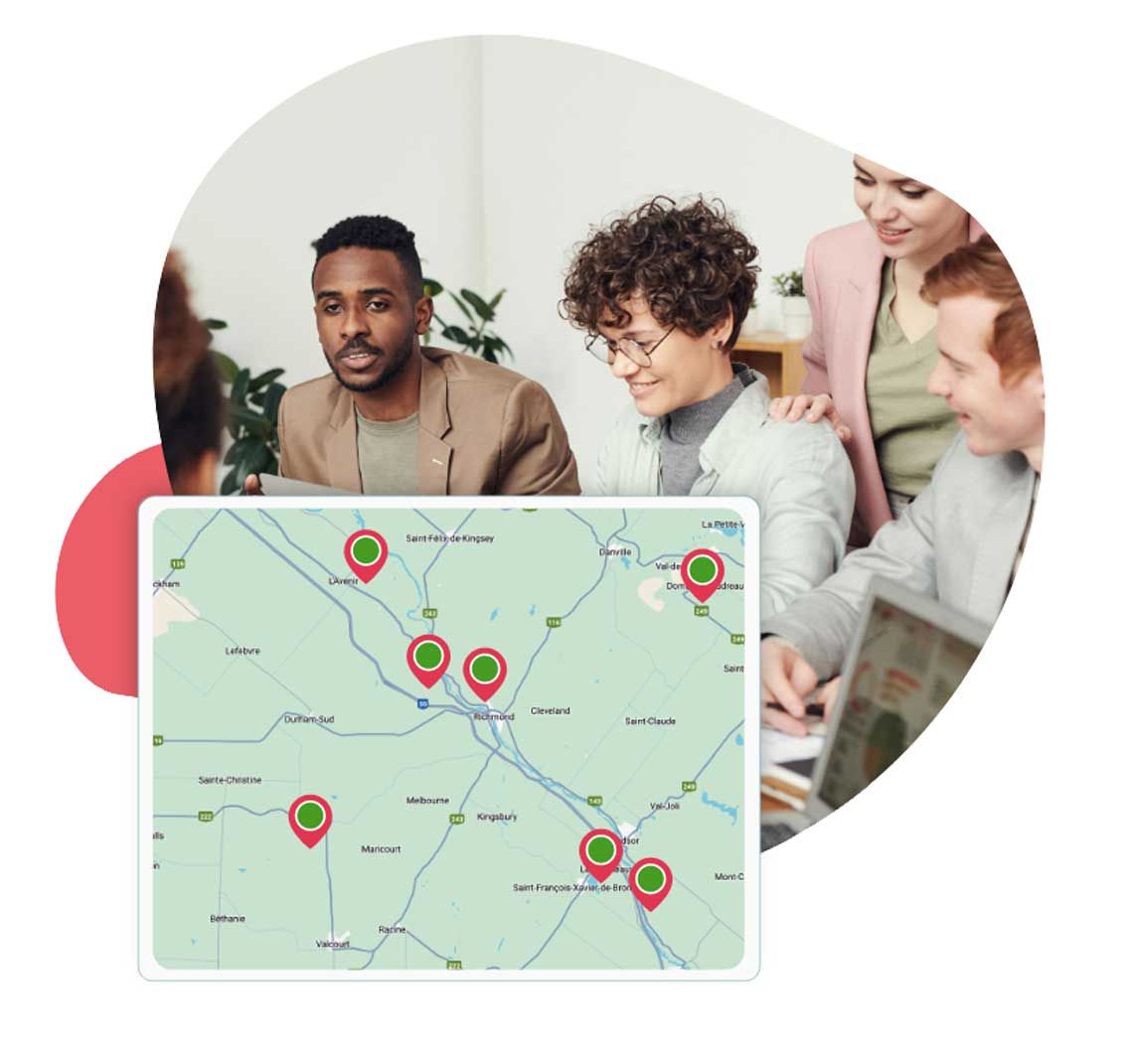
- View issues and complaints on a map to identify potential hot spots.
- Improve collaboration between community relations, operations, legal, and sustainability teams by providing visibility into who submitted a complaint and what actions were taken to resolve it.
- Ensure that commitments are upheld and visible to anyone engaging with stakeholders.


Built-in compliance and
risk mitigation
Built-in compliance and risk mitigation
- Align with global standards like GRI, IFC, IPIECA, and ICMM
- Document every step to easily satisfy audits and regulators
- Identify systemic risks with root cause analysis
- Strengthen your social license by demonstrating responsiveness and transparency
Borealis platform has been a game-changer for clients around the globe who need to manage a large number of stakeholders and comply with strict regulatory requirements

Are you at risk?
Start managing stakeholder complaints more effectively today!
Whether you’re dealing with regulatory reporting, social risk, or landowner concerns, Borealis gives your team the tools to respond faster, track better, and build lasting trust.

Why manage grievances and stakeholder relationship in one platform?
Stronger context– See the full history of a stakeholder’s concerns, discussions, and commitments in one place
Faster resolutions– Cross-reference prior interactions to speed up response time and avoid duplication
Better coordination– Community teams, legal, operations, and ESG teams work from the same data
Reduced risk– Connect grievances to impacted assets, stakeholders, and compliance obligations
Smarter insights– Use integrated dashboards and analytics to identify patterns and act before issues escalate
Features to help you standardized your grievance management process
Features to help you standardized your grievance management process

Integrated AI
Uncover hidden patterns, flag recurring grievances, and get smart suggestions to resolve them faster.
Task Management
Create tasks for yourself or your team, set target dates, schedule reminders, and monitor progress in real time. Link tasks to specific activities & sync them with your calendar to make sure you never miss a beat.
Scale as you grow - Connecte with other modules to strengthen all aspects of social performance
Land Access & Acquisition
Watch how teams use Borealis to log, track, and resolve stakeholder complaints while improving transparency and trust with communities.

Amping up reporting with fit-for-purpose software
Why choose Borealis to manage grievances and issues?
expertise
certified
to your needs
costs
scalable
Improve your knowledge of Issue and Complaint Management
Improve your knowledge of Issue and Complaint Management
Grievances should never evolve into crises


Implement an effective and transparent process for managing grievances


Stakeholder Risk Management and Social Acceptance



Contact us
Your next step toward better grievance handling
FAQ
Grievance and complaint management refers to the structured process of capturing, investigating, responding to, and resolving concerns raised by external stakeholders—such as community members, NGOs, or landowners. Whether formal or informal, these issues must be addressed transparently to maintain trust and regulatory compliance.
Complaint management for community issues is part of a process that aims to prevent, mitigate, or resolve tensions and conflicts between companies and local communities. It is an integral part of the International Finance Corporation’s (IFC) approach that requires community engagement under its Social and Environmental Sustainability Policy.
A strong grievance process helps prevent minor issues from escalating into major risks. It demonstrates accountability, reduces social friction, and supports long-term community relationships. It’s also a requirement under international frameworks such as the IFC Performance Standards and GRI.
Placing your complaint management process in a central system has several benefits that will help ensure that your stakeholder management runs more efficiently and ultimately leads to greater success for your project.
Here are four key benefits of automating the process:
Consistency: Developing a grievance management process and placing it in a central system ensures that all team members handle complaints similarly. No matter who handles the issue, there is a standardized process and real-time visibility into communication and resolving the issue.
Transparency: With all the data in one place, there is complete visibility into complaint management. There is no guesswork. Record and track grievances in one location and respond, investigate, and close out in the same software.
No oversights: When you record a grievance in a central location, there is no chance it will fall through the cracks. Assign team members to a specific complaint or grievance to ensure that it is dealt with promptly.
Risk reduction: Reduce operational risks, like work stoppages resulting from stakeholder disapproval.
Using a centralized platform like Borealis allows your team to:
- Log and track all issues in one secure place
- Standardize responses across teams and geographies
- Ensure transparency and accountability with full audit trails
- Detect patterns through dashboards and analytics
- Automatically assign tasks and track deadlines
This improves stakeholder trust and helps reduce delays, penalties, and reputational risks.